


To celebrate 20 years of the multilingual counselling service we asked some of the counsellors who work with our refugees, asylum-seekers and migrants clients to share some of their experiences of their work.
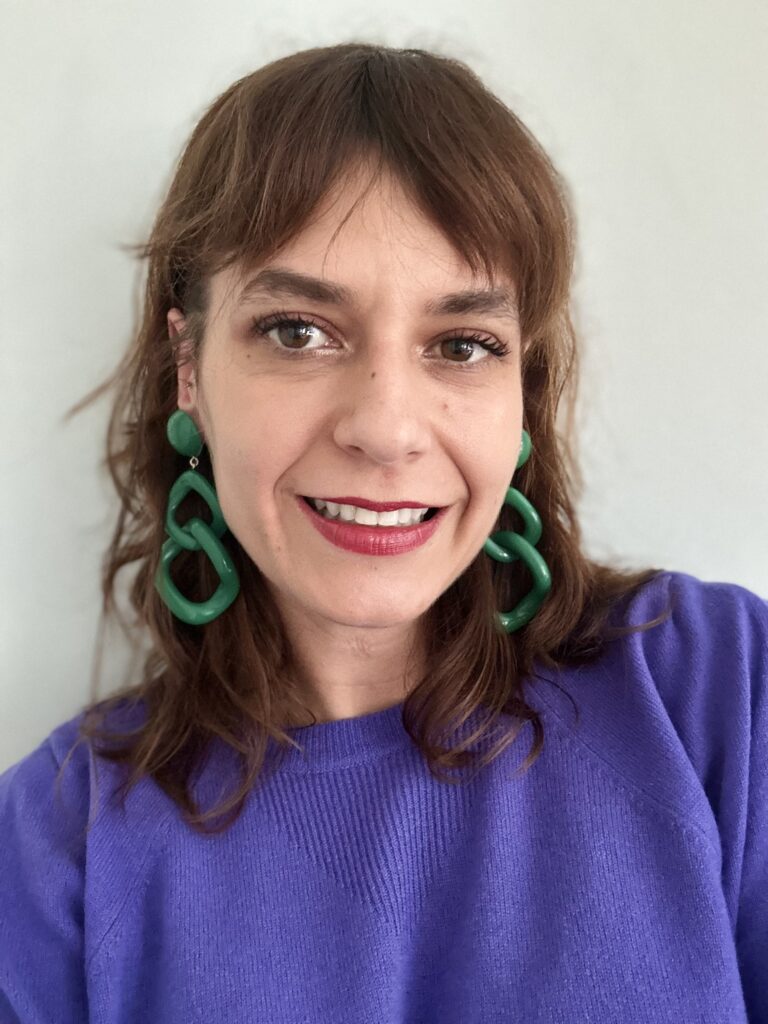
First up, Alexandra who has worked at WCC since January 2022. Alexandra works with refugee and asylum-seeking clients in Romanian and English, as well as within the Low Cost Service.
1. What attracted you to working at WCC’s multilingual service for refugees & asylum-seekers?
The Multi-lingual counselling service works with people who, on top of their myriad conflicts and difficulties, share the experience of leaving a place behind – and with it a part of the self – to find themselves in a new, unfamiliar place. As a foreigner in the UK myself, I am moved to work with some of the specific issues stirred by this experience of being an-other, the pains of cultural dislocation, and the mourning of all that is lost. I consider treatment successful when I get to witness with my clients the integration of their old and new self, and the expansion of their internal world.
2. What do you think makes the multilingual service unique or special?
How can people begin finding their voice if they don’t have a language to share in the first place? Language is so intimately connected to mutuality, to being listened to and understood, and a feeling of belonging. Through a shared language, many of the clients find again the potential of a ‘we’, of being part of a relation, the therapeutic one, in which they feel seen. Through this type of service they can become again active subjects, and place themselves firmly in their story. Language barriers in healthcare are well documented, but within a mental health context, language is an indispensable vehicle to communication. People who are already vulnerable risk further isolation and alienation without a service such as this.
3. What has been the most rewarding experience?
Working with people who experience for perhaps the first time in their new environment what it feels like to be listened to with curiosity. Witnessing how within the shared language, they found their personal language, unique to their affective experiences. The capacity of finding the words for one’s pain, sharing them, and through that creating more space for thinking and breathing, is one of the most rewarding experiences.
4. What is one thing you have learnt?
It is essential to tolerate uncertainty, and especially in the multi-lingual service there may be culturally-bound hidden meanings that the counsellor needs to carefully comb through. It applies to counselling in general, but perhaps it becomes vital for the multi-lingual service, that one should never make assumptions, but be continuously curious, while respectful of differences. Conversely, cultural issues can be used defensively by clients against getting too close to their true thoughts and feelings.
5. What are some of the challenges you faced?
I think that good supervision is essential when working with refugees, asylum seekers and migrants. As a particular vulnerable segment of the population, they can stir strong feelings of guilt, anger at the system or helplessness in the counsellor, which, if left unchecked, will hinder the therapeutic process. One can easily assume the role of protector or saviour, thus stepping out of role.
6. How important is it that refugees, asylum-seekers & migrants can access multilingual and / or culturally-sensitive counselling?
In my experience articulating self-expression is one of the biggest challenges for anyone accessing psychotherapy. Without a multilingual and culturally-sensitive counselling, a whole category of people is denied the chance to even try to express themselves more freely and articulate and process their experiences. The existence of this service is, in my opinion, an act of dignity and respect, in which the client takes an active role in their emotional and mental health. It helps them rebuild trust in the world.
7. Looking ahead, what do you see as the most important areas for the service to focus on to continue effectively supporting this community?
I think that there are many refugees, asylum seekers & migrants who are not aware that services like ours exist, so they cannot reach out directly. Partnerships with other organisations and NGOs could amplify the reach.
Cultural Competency Training – such as the Gypsy Roma and Traveler communities training, to ensure all the counsellors are prepared to understand and respect the different backgrounds.
Trauma-Informed Training seems necessary when working with refugees and asylum-seekers. PTSD, Generalised anxiety disorder and depression are prevalent among displaced populations.