


18th December is International Migrants Day. To mark the occasion, and to celebrate the important role that migrants play at Waterloo Community Counselling and around the world, we are sharing a beautiful piece of writing by Hossain.
Hossain is one of the trainee counsellors volunteering at WCC. He joined the team in 2021 providing much needed language counselling in Farsi.
10 years ago Hossain came to this country as a refugee from Iran and built a new life here. We are delighted that he chose to become a counsellor and to work with us at WCC – supporting refugees and migrants with lifechanging counselling.
His short and moving piece details some of the challenges of being a migrant – what is lost and left behind, as well as some of the transformational positives that come from being a migrant.
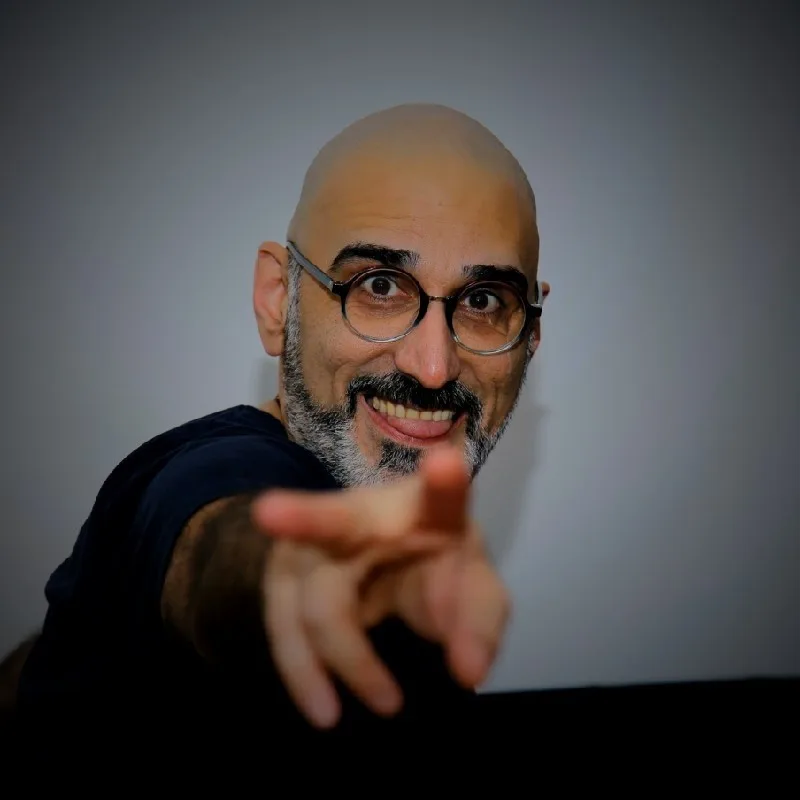
In Contemplating the global tapestry
In contemplating the global tapestry, one cannot ignore the recurring narrative echoing through different corners of the world — the narrative of immigration. The term itself carries a weight, an almost surreal quality, as if discussing something intangible. Yet, I stand here today to assert the undeniable existence of those who bear the label “immigrant.”
A decade ago, at the age of 33, I embarked on a journey that spanned half the globe. My homeland had become perilous, forcing me to seek refuge elsewhere. The destination became a new land, promising safety but also birthing a myriad of challenges.
In my previous life, I was immersed in the world of mathematics, a researcher, and an activist. A decade of meaningful connections tied me to family, friends, a spouse, and devoted students back home. However, upon my arrival, I confronted the stark reality of being a nobody in this new terrain. On paper, I was an invisible entity, my very existence requiring explanation to those who held the power to recognize it. Permission to work and study eluded me, and the language barrier severed my ability to engage meaningfully in this society.
For 18 months, the routine was a ritual of anticipation — waking up, approaching the door, scanning letters for any news regarding my immigration case. As the days unfolded, I grappled not only with my personal tribulations but also with the sense of helplessness as my compatriots endured their own hardships in a distant land.
The mental toll was substantial, an erosion of motivation and sanity. The uncertainty of when I would be free to lead a normal life gnawed at my resolve. Amidst this tumult, I confronted my traumas alone, navigating the labyrinth of emotions that accompanied my displacement.
A decade later, the narrative transforms. I stand before you as a psychotherapist, a profession I embraced to extend a helping hand to asylum-seekers grappling with the same uncertainties that once plagued me. The opportunity to work with Waterloo Community Counselling (WCC) has been transformative, offering a lifeline to individuals in their mother tongue, a privilege often denied to those grappling with the nuances of a foreign language.
Reflecting on my two years at WCC, the significance of this service has become abundantly clear. Conversing with someone in their native language fosters trust, laying the foundation for a secure therapeutic relationship. As I work with clients, many of whom are asylum-seekers, I am reminded daily of the importance of this lifeline. It is not merely a linguistic bridge; it is a connection to empathy, understanding, and a shared journey of resilience.
In conclusion, my journey, marked by adversity and transformation, underscores the significance of services like those provided by WCC. Together, we navigate the intricate fabric of immigration stories, weaving threads of hope and resilience into the narratives of those who seek solace and understanding in a new homeland.
Hossain WCC Counsellor