


LGBT+ History Month 2022
The impact of discrimination, stigma and empowerment on the LGBT+ community – Rafael Ramos García
Trigger Warning: The article includes descriptions of rape, sexual abuse, homophobia and transphobia
“The love that dares not speak its name” – Oscar Wilde
After working as a counsellor and psychotherapist with the LGBT+ community for 20 years, both privately and at various London charities, I think it is worth reminding people that in 1994, the APA finally stated, “…homosexuality is neither a mental illness nor a moral depravity. It is the way a portion of the population expresses human love and sexuality” [1].
However, many of the traumatic experiences that the LGBT+ community go through come from misconceptions left over from socio-political and religious indoctrination dating back centuries. These are pathological perceptions of believing that same sex relationships are a sin or a perverted form of expressing sexuality and love. Current studies show that the only differences between heterosexual and homosexual behaviour and psychological functioning comes from the stress caused by systematic stigmatization based on sexual orientation. This stress has led LGBT+ people to a life of secrecy, fear of persecution and suicide [2].
Long-term discrimination and homophobic behaviour from parents in many of my LGBT+ clients have also created long lasting trauma. They present with mental conditions such as: low self-esteem, substance misuse, eating disorders, severe anxiety, self-hatred, loss, depression, suicidal ideation, trauma, and long lasting psychological and emotional problems. Francisco (not his real name) a Central American young gay asylum seeker described the relationship with his mother and the local authorities as follows:
My religious mother kept telling me that I came from the devil that I was a sinner. Shame and guilt were deeply embedded inside me. I feared walking to and from school. One day walking back home two drunk men from my neighboured took me to an alleyway and started forcing me to perform oral sex on them. They took turns to rape me too. I got home shaking and told my mother. She said: ‘I warned you so; it is your fault, grow up and be a man’. How hypocritical can you get? Considering she never married and had several children from different fathers. I went to the local police, but they started laughing. They told me to keep it quiet and not to reveal who had done this, otherwise I could be at risk of being killed. I took an overdose. Luckily, my sister found me and took me to hospital. As soon as I was able to get sufficient money, I bought a flight to Europe.
Professionally speaking, I can say that many LGBT+ clients at MECS presented with suicidal ideation or suicide attempts due to homophobia and discrimination experienced within their own families and cultural networks. There were many cases of bullying, marginalisation, and persecution taking place at school, in the neighbourhood and in their respective countries, resulting from specific laws and fundamental religious values that condemned instead of protecting LGBT+ population. Philippe (not his real name) reported:
“I was 6 or 7 years old when my mother and father saw me playing with another boy. I never understood what I did wrong. Soon after, they put me in isolation and forbade me to play with my cousins and other boys in the neighbourhood. I had already become a family joke. When, I was 15 my father and uncles took me to see prostitutes who started harassing me sexually. I was so embarrassed and ashamed. I remember being scared and begged one of them to tell my father we had sex. She didn’t. She told him I was a fagot. This made things worse. My father tried ‘to beat the queer out of me’. They even took me to an exorcist. I hate my parents and blame their religion for this.”
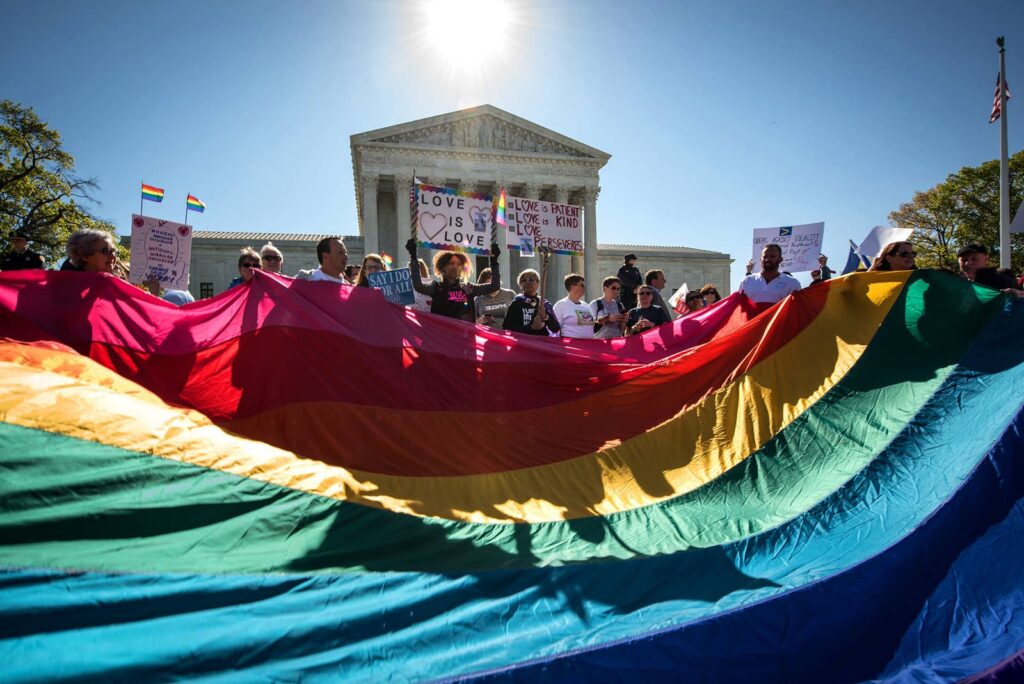
Criminalization of same-sex relations
In at least 76 countries, discriminatory laws criminalize private consensual same-sex relationships, exposing millions of individuals to the risk of arrest, prosecution, imprisonment, and murder [3]. Ali (not his real name) a gay refugee from Pakistan related his experience:
Many men and the police walk hand in hand in my country. Paradoxically, they threw a gay friend from a high building and his body smashed dead on the ground… My partner of 10 years worked for the police. We lived a life of secrecy and were very happy. Somebody found out and reported it. My partner was killed, and I was tortured and raped… A nice policeman took pity on me and released me one night. My parents got me out of the country. I’m lucky I managed to escape to London.
LGBT+ community has come a long way since the Stonewall Riots of 1968 in New York. Many young people living in the EU, USA, Canada, South Africa, Australia, and New Zealand take for granted the relative recent changes in the law legalising same sex marriages and equal opportunities. However, as reported by the UN, there are many jurisdictions that criminalise private, consensual same-sex activity and refuse to change gender names in official documents. In some countries, even though there are no laws against being gay or transgender, you are readily at risk of being attacked or assaulted simply because there are no laws to protect you. Tanya (not her real name) a recent Asian transgender refugee client who worked at a bank in an oil rich Middle Eastern country related her appalling experience:
I was travelling to another country in the Gulf to meet my boyfriend. On arrival the immigration authorities saw the male name in my passport. They took me to a private room where several officers started beating me up. They proceeded with sexual assaults taking turns to rape me until I lost consciousness. I spent 10 days in a hospital. When I recovered, I bought a flight to London and applied for asylum.
In the field of criminology, it is a highly involved process working out the specifics of ‘hate crime’ in terms of its psycho-social impact. How homophobic attacks manifest and impact on each individual and the differences between ‘hate’, prejudice, bigotry, bias, persecution, injustice, or harassment towards LGBT+ people is an ongoing process to be explored in therapy. In some instances, social isolation, loneliness, and widespread discrimination, and an inability to talk openly about feelings safely for fear of retaliation show a strong association with poor mental health. The trauma that can result from this points to the need to foster a greater sense of connectedness for LGBT+ people. Many LGBT+ community services such as Mind Out, Terrence Higgins Trust, Stonewall, Micro-Rainbow, and Gender Intelligence have stepped into the gap by providing information, advocacy, and mental health support for LGBT+ people. These services can allow LGBT+ people to interrelate and develop friendship in an affirming environment. They facilitate the social connections and everyday friendships that many cisgender or heterosexual people take for granted. Bernardo (not his real name) a gay activist asylum seeker reported:
Like many Nicaraguans in exile, I was helping and sending money while working in… [a Caribbean Island] to help the LGBT+ and other political activists challenging Nicaraguan dictatorship. When I returned, the police put me in prison where I was tortured and raped. After a month they released me. My parents and siblings couldn’t care less, they told me I deserved it for being queer working for the devil. I had some savings, so I bought a ticket to Spain and later came to London where I had some friends.
Compassion has no limit. Empathy can be divisive. Kindness has no enemy.
Compassion is when you relate to someone’s situation, and you want to help them. Empathy, however, can make us unconsciously more sympathetic towards individuals we relate to, but it can also make us less likely to want to connect with people whose experiences don’t mirror ours. When it comes to helping “outsiders” who are suffering, our brains may perceive that this is going to be hard work, or perhaps expose our vulnerabilities, so it is better to reject the effort and remain silent. An act of kindness may or may not involve feeling whereas compassion involves very strong feelings that compel us to act upon it.
The Dalai Lama clearly stated that: Compassion is a necessity, not a luxury and it is a question of human survival. Compassion is unifying, as supposed to empathy, they both play a demonstrable role in vicariously dealing with trauma. This is important for LGBT+ peers and their friends because it provides emotional support to those who have been directly victimised. Many LGBT+ associations, bring people together, they strengthen group bonds, and allow victims of homophobia to feel safer. In turn, the individual feels protected, and less vulnerable. So, it is very positive to be able to grow in a permissive multi-cultural environment with protective laws that allow LGBT+ people to thrive. They become part of an embracing and encouraging society that allows them to contribute and create a better world for all concern. This is something that many heterosexual people take for granted. Cristina (not her real name) a lesbian client brought up in a strict Catholic family explained what it was like for her to attend monthly meetings set up by Micro Rainbow – a Jewish LGBT+ charity for asylum seekers and refugees in West London:
“Because a safe environment strengthens you, by helping you to become aware that you’re not alone, that you can ‘come out’ safely, be yourself. You are allowed to have lesbian and gay friends supporting you all the way. This helped me a lot to find out about myself. I know now that being lesbian or gay is not an illness but just another human that can express love to another human being, and no one can condemn you, either from a moral, cultural, or religious point of view.”
“Stigma sometimes is more dangerous than the terminal disease itself”– Nelson Mandela
The LGBT+ community represent a fundamental physical and symbolic space of sexual identity and recognition of minority groups that help to create a sense of belonging. This is essential as it encourages many HIV+ diagnosed individuals in Western countries to access successful medical treatments and psychological support. Thanks to successful changes in the law that protect the LGBT+ community, people can seek appropriate mental health therapies that also work with HIV+/AIDS related issues and stigma. The Terrence Higgins Trust in London and the NHS provide advice and free access to sexual health clinics, online counselling, and peer support. The networks also include chemsex supporting groups dealing with addiction. Chemsex, for instance, is often a risky practice of mixing sex with crystal meth or methamphetamine, and GHB – all of which are highly addictive drugs in their own right. Add to this equation the unsafe sexual practices with heightened sexual desires of repetitive chemsex practices and it becomes one of the most dangerous addictions and transmissions of sexual diseases, including HIV [4].
HIV-related stigma has a major impact on quality of life and health among people living with this condition. The stigma is often experienced as a social and psychological rejection and discrimination, which reinforces shame, guilt, anger, and fear of disclosure. Many people conceal their HIV+ status because it can lead to depression, anxiety, ostracism and disavowal from the family, and friends. It can also reduce the chances of social and psychological support, loss of work, financial strain, including the decision to forgo valuable medical treatments [5].
Sometimes established psychological services and heterosexual therapists may not be aware of the complexities surrounding HIV-stigma and internalized homophobia as it is hard to relate to unless you or someone closed has been through this. There may be blind spots and a need to recognise the insidious damage it does to the psyche of a person. But it can also be overwhelming with the feeling that it is beyond one’s capacity to provide appropriate psychological support. Daniel (not his real name), a HIV+ young gay man dealing with chemsex and sex/love addiction during an assessment disclosed:
“I was rejected for long-term therapy at a… [well-established mental health Trust in London] I was afraid you were going to do the same… I’ve stopped all the chemsex drugs and sexual addiction for over a year. My family doesn’t know I’m HIV+. If they found out they would probably tell my cousins because I’ve had sex with them. I used to live in a small community and people are in each other’s business. Sex among men in… [an island] where I come from is taboo, but it is a regular practice. If they found out that I’m also HIV+, the men I had sex with as a teenager will start getting very scared and become aggressive towards my family, particularly because we’ve all had unprotected sex. But I got HIV from my ex-partner in London. He introduced me, and I succumbed, to all these crazy chemsex parties.”
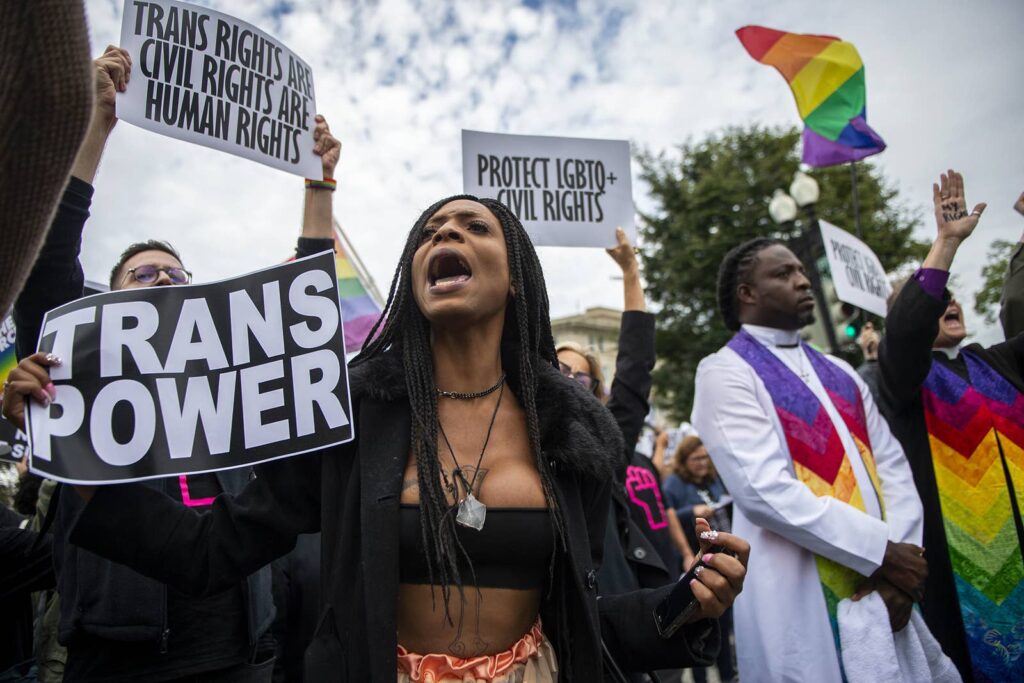
“I think the best day will be when we no longer talk about being straight or gay.” – P!nk
The LGBT+ community is not a homogenous group. Members of this community represent a diversity of racial, ethnicity, cultural, religious, and socioeconomic backgrounds. However, all the members of the LGBT community are unified in that they belong to a stigmatized minority group. Sadly, the LGBT+ community show a higher risk for mental health conditions because of the stigma, discriminatory policies, persecution, and other cultural and social-political laws and stressors imposed by members of more dominant majority groups [6].
In the UK, LGBT+ people face more overt and implicit discrimination and inequality than their straight counterpart. Counselling and psychotherapy can benefit the LGBT+ individual and in many ways, the treatment used may not differ from other forms of intervention used with heterosexual or cisgender clients. Nevertheless, most heterosexual, cisgender therapists are not in the habit of declaring their sexual or gender identities. In a world that naturalizes their sexual and gender identities, many are unaccustomed to the need of directly making such revelations. Many therapists are not likely to ask the question, “Do you ever wonder why you are heterosexual?” Heterosexuality is assumed to be nature’s way of human reproductive capability to maintain the species by default [7].
Finally, when the socio-political environment is interfering with the mental health and well-being of a particular minority group, counsellors, psychotherapists, and psychologists are called to support social change through therapy, or advocacy [8]. As a homosexual therapist, I’ve worked with some gay men and transgender people because they were concerned that a particular public organisation, or therapist might not see them with respect, compassion and without prejudice about their sexuality and lifestyle. Many psychological services would try to allocate a man or woman and black or ethnic minorities to the same gender and/or ethnicity therapist, if possible, but may not consider so important to allocate an LGBT+ individual with an LGBT+ therapist.
At WCC/MECS we endeavour to allocate LGBT+ clients to LGB counsellors whenever possible, particularly if they request it. During clinical supervision, I encourage our trainees and experienced counsellors, regardless of their gender or sexual identity, to evaluate the client’s need to come out. I consider more valuable to initially explore with the client their needs, ideas, and projections towards the counsellor. I feel that it would become more productive to consider first any previous experiences of therapy and any expectations they may have about the therapist in the counselling room. This approach can create better rapport and a stronger therapeutic alliance. The therapist and the client can also evaluate together the relevance of being open about their own sexuality. I feel it is important to foster an environment of authenticity, and empowerment while respecting confidentiality. We want to encourage LGBT+ individuals to be open and trusting, so they can see that there is nothing wrong with them, but there is a lot of things that may have gone wrong with the world we live in, and that is worth exploring.
Rafael Ramos García is a senior private psychodynamic counsellor of more than 20 years’ experience. He supervises other therapists at Waterloo Community Services and Wandsworth Bereavement Services. He is a member of the British Psychoanalytic Council. He works with LGBT+ asylum seekers and refugees as part of the Multi-ethnic Counselling Services at WCC. He also practices and is a teacher trainer of Kundalini Yoga and Meditation throughout Europe. www.paddingtonandchelseapsychotherapy.com
References:
[1] APA Online. “Answers to Your Questions About Sexual Orientation and Homosexuality”. Online. 11 April 2003. Available https://www.apa.org/pubinfo/answers.html.
[2] December 2000. American Psychologist. Guidelines for Psychotherapy with Lesbian, Gay, and Bisexual clients.
[3] United Nations LGBT+ Equality Fact Sheet.
[4] https://www.unfe.org/system/unfe-43-UN_Fact_Sheets_-_FINAL_-_Criminalization_(1).pdf
[5] https://safehouserehab.com/chemsex-addiction/
[6] Vanable PA, Carey MP, Blair DC, Littlewood RA. Impact of HIV-related stigma on health behaviors and psychological adjustment among HIV-positive men and women. AIDS Behav 2006;10:473–482 [PMC free article] [PubMed]
[7] https://focus.psychiatryonline.org/doi/pdf/10.1176/appi.focus.20200001
[8] Mitchell et al., 2009; Mitchell and Howarth 2009; Communities Analytical Services, 2013