


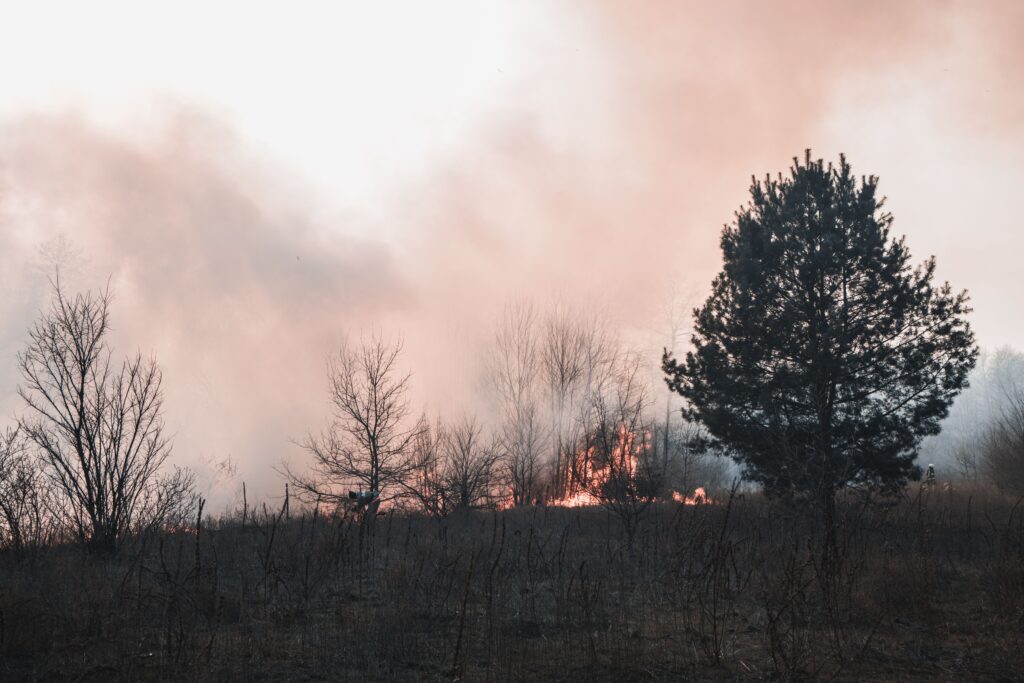
Recent drought and wildfires across the UK have left many people feeling worried, unsettled, or overwhelmed.
While much attention is rightly focused on the environmental impacts of these events, there is growing recognition that they can also affect our mental and emotional wellbeing.
If you have found yourself feeling anxious when reading the news, worrying about the future, or experiencing a sense of sadness or grief about environmental change, you are not alone.
What Is Climate Anxiety?
Climate anxiety – sometimes referred to as eco-anxiety – describes feelings of fear, worry, distress, grief, or uncertainty related to climate change and environmental degradation.
Importantly, climate anxiety is not considered a mental illness. Psychologists increasingly understand it as a normal and understandable response to the reality of environmental threats. Research suggests that feelings of eco-anxiety are often linked to uncertainty, unpredictability, and a perceived lack of control over future outcomes.
The American Psychological Association (APA) notes that climate related events such as droughts, wildfires, floods and extreme heat can create significant psychological stress. Not only can it affect individuals who are directly impacted, but also those exposed through ongoing media coverage.
Climate anxiety can show up in many different ways. Alongside feelings of worry and fear, people may experience grief, sadness, guilt, anger, frustration, helplessness, or a sense of loss connected to environmental change. Some people feel isolated because those around them do not share the same concerns, while others find themselves questioning what the future might hold for themselves, their families, or future generations.
Researchers have also described a related experience known as solastalgia: a feeling of distress or grief caused by witnessing changes to places and environments that once felt familiar and comforting.

A Growing Concern
Climate anxiety is becoming increasingly common, particularly among younger generations.
One of the largest global studies on the topic, published in The Lancet Planetary Health, surveyed 10,000 young people aged 16 to 25 across ten countries, including the UK. Researchers found that 59% were very or extremely worried about climate change, while more than 45% said their feelings about climate change negatively affected their daily life and functioning. Many reported feeling sad, anxious, angry, powerless, helpless, and guilty.
Although these experiences are more frequently discussed among younger people, climate anxiety can affect anyone. Recent research has found higher levels of eco-anxiety among people who have experienced environmental disasters such as floods, droughts, or wildfires.
Climate Anxiety and Inequality
Climate change does not affect everyone equally. Research and mental health organisations, such as leading mental health charity, Mind highlight that people who already experience social disadvantage (including poverty, discrimination, insecure housing, or health inequalities) are often more vulnerable to the impacts of extreme weather events and environmental change.
This can create practical pressures, such as concerns about housing, rising costs, and access to green spaces. Additionally, the impact of extreme weather on daily life might bring emotional pressures, contributing to stress and anxiety.
Recognising these wider social factors reminds us that climate anxiety is not simply an individual issue; it is connected to the communities and environments within which we learn, work and live our lives.
Your Feelings Make Sense
One of the key messages emerging from psychotherapy and environmental psychology is that climate anxiety should not automatically be viewed as a problem to be eliminated.
Environmental philosopher and researcher Panu Pihkala argues that eco-anxiety can be understood as a healthy emotional response that reflects awareness, empathy, and concern for the world around us. While overwhelming anxiety can become distressing, moderate levels of concern can motivate learning, adaptation, and positive action.
In other words, feeling worried about droughts, wildfires, or climate change does not mean there is something wrong with you. It often means there is something you care deeply about.
What Can Help?
Psychotherapy does not seek to remove all difficult emotions. Instead, it can help people develop ways of responding to those emotions with compassion, resilience, and perspective.
Many psychological approaches encourage individuals to distinguish between what is within their control and what is not. Anxiety often grows when we feel powerless. While none of us can solve climate change alone, we can make choices that align with our values and contribute positively to our communities. Small actions may include conserving water, supporting local environmental initiatives, spending time in green spaces, or participating in community projects.
Limit Overexposure to Distressing News
Staying informed is important, but there is a difference between being informed and becoming overwhelmed. Mind notes that continuous exposure to climate-related content, particularly through social media and 24-hour news cycles, can leave people feeling anxious, distressed, or emotionally exhausted.
You might find it helpful to set boundaries around news consumption, choose evidence-based sources, and balance difficult information with positive stories about environmental action, innovation, and community responses. Taking a break from distressing content is not denial, it is an important part of looking after your wellbeing.
Stay Connected to Nature
One of the most effective ways to cope with climate anxiety is to strengthen our connection with nature rather than withdraw from it.
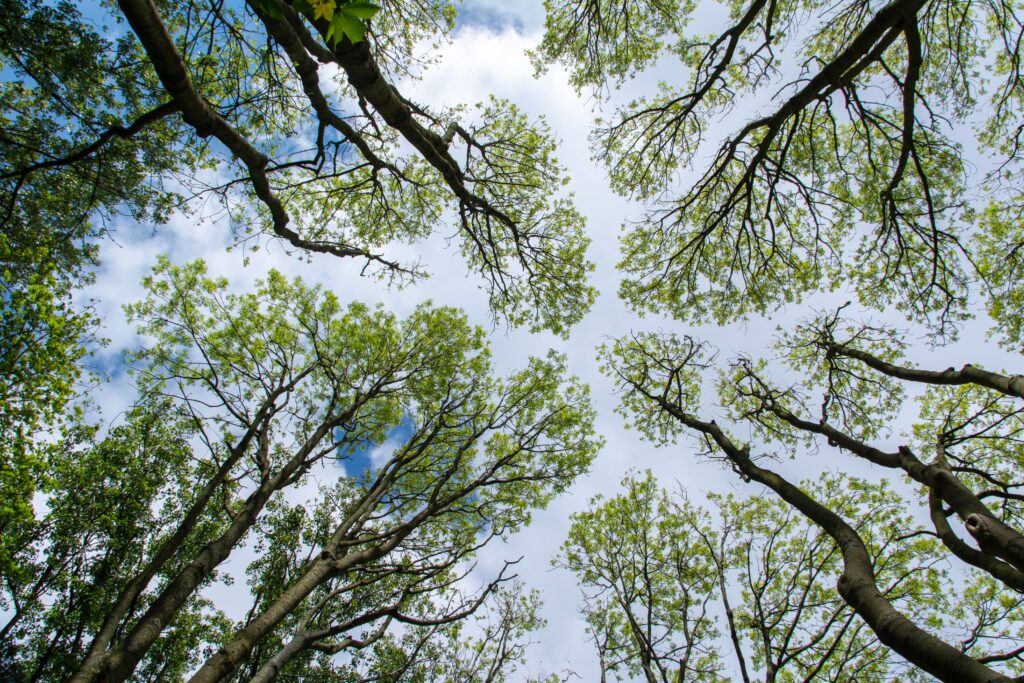
Whether it’s visiting a local park, tending plants, walking along the river, or simply noticing seasonal changes – spending time outdoors can help create perspective, and connection, and it can help to stay present, grounded and calm.
Nature reminds us not only of what is vulnerable, but also of what is beautiful and worth protecting.
Talk About It
Many people keep climate concerns to themselves because they worry they will be seen as overreacting, yet research consistently shows that talking openly about our fears and hopes helps transform isolation into shared understanding. You may find it helpful to speak with friends, family members, colleagues, or a mental health professional about your concerns.
Find Purpose Through Community
One of the most difficult aspects of climate anxiety is the feeling that the problem is simply too large for any one person to influence. Research suggests that meaningful action can help reduce feelings of helplessness and increase a sense of agency, connection, and hope.
This does not mean it is your responsibility to “fix” climate change. Governments, businesses, and communities all have important roles to play. However, taking actions that align with your values can help transform worry into purpose.
This might include:
- Volunteering with local environmental or community organisations
- Joining neighbourhood clean-up projects or community gardening initiatives
- Taking part in conservation, biodiversity, or tree-planting activities
- Supporting local sustainability projects
- Helping neighbours and vulnerable community members during periods of extreme weather
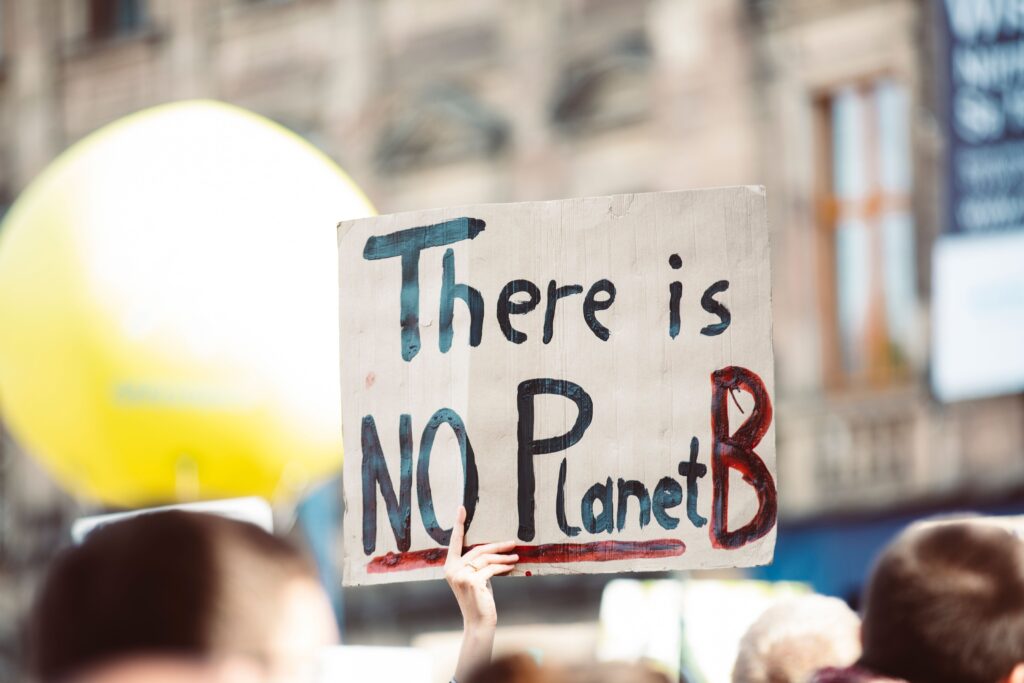
- Writing to elected representatives, responding to consultations, signing petitions, supporting environmental campaigns, or attending peaceful demonstrations
For some people, civic engagement can be an important way of turning concern into action. Collective action can help people feel less isolated and more connected to a shared sense of purpose. Importantly, action does not need to be large-scale to be meaningful. Small acts of care for your community, local environment, or the people around you can remind us that we are not powerless.
A Final Thought
If climate-related news is making you feel anxious, distressed, or overwhelmed, remember that these reactions are human responses to real challenges. You are not being irrational, and you are not alone.
By acknowledging our feelings, staying connected with others, focusing on what we can control, and making space for both action and rest, we can build resilience in uncertain times.
Counselling can provide a safe and supportive space to explore difficult emotions, develop coping strategies, and make sense of feelings such as anxiety, grief, uncertainty, or helplessness. Sometimes simply having the opportunity to talk openly about your concerns can help you feel less alone.
At Waterloo Community Counselling, we understand that emotional wellbeing is shaped not only by our personal experiences but also by the wider world around us. If climate-related concerns are affecting your mental health, support is available.
To find out more about our counselling services or to make a referral, please click here.
References and Further Reading
- Mind, Climate Change and Mental Health
- The Lancet, Climate anxiety in children and young people and their beliefs about government responses to climate change: a global survey
- American Psychological Association, Helping youth move from climate anxiety to climate action
- Panu Pihkala, Anxiety and the Ecological Crisis: An Analysis of Eco-Anxiety and Climate Anxiety