


When Crisis Strikes: Why Access to Mental Health Support Matters
1. Introduction
At Waterloo Community Counselling, we believe that access to mental health support is a basic human right — not a luxury. This World Mental Health Day, we stand with communities around the globe to spotlight the urgent need for better mental health services, especially in times of catastrophe and emergency.
Although WCC does not provide emergency mental health care, we increasingly encounter individuals in crisis — a troubling sign that too many people face emergencies without the support they need. This year’s theme, “Access to services: mental health in catastrophes and emergencies,” resonates deeply with our work and the challenges we witness every day.
And this isn’t just a global issue — it’s a local one too. Across the UK, many people still struggle to access timely help. At WCC, we see the impact firsthand: individuals arriving in deep distress because support wasn’t available when they needed it most. Whether globally or locally, access to mental health care should be something everyone can count on.
2. Mental Health in Emergencies — Why It Matters
Mental health emergencies come in many forms — from suicidal thoughts and severe panic attacks to acute trauma following violence, war, or disaster. In these moments, people are at their most vulnerable and need calm, compassionate, and professional care.
Yet across the UK, many in crisis are still met by the police rather than trained mental health professionals. This isn’t because the police are best equipped to help — it’s because dedicated crisis services are overstretched. Without the right support, distress can escalate instead of being eased.
People in crisis deserve to be met with understanding and expertise. Access to trained mental health responders can make a life-changing difference — helping individuals feel safe, supported, and able to begin their recovery.
At WCC, we often meet people who have faced crises alone or without the right care at the time. Their stories remind us why timely, professional, and compassionate mental health support is essential — not only during an emergency, but in the healing that follows.

3. Beyond the Crisis — Recovery and Prevention
Mental health support shouldn’t end when the immediate crisis does. Recovery is just as critical. Without ongoing care, people are often left to navigate the aftermath of trauma alone — a path that can lead to long-term mental health challenges.
Services must be equipped to offer healing and support after the crisis has passed, helping individuals rebuild stability and wellbeing.
Prevention is equally vital. Early access to mental health support can reduce the risk of crises developing in the first place. When people receive help at the right time, they’re less likely to reach breaking point. That’s why well-funded, accessible services — across both the NHS and the charity sector — are essential.
At WCC, we provide counselling and psychotherapy to people from all walks of life, including refugees and asylum seekers who often carry multiple layers of trauma. Our work is part of a wider ecosystem of care that must be strong, inclusive, and sustainable. By supporting people when they’re feeling low, we can prevent situations from escalating — and help them find hope and resilience for the future.
4. WCC’s Role in the Wider System
Every day at WCC, we support individuals who have experienced crisis — including refugees, asylum seekers, and those coping with trauma, loss, or displacement. Many come to us after navigating situations no one should have to face alone.
Our role is to offer long-term counselling and psychotherapy as part of a broader mental health care system. For this system to truly meet the needs of our communities, it must be well-funded, trauma-informed, culturally sensitive, and accessible to all.
The reality is clear: the less access people have to quality mental health services, the more likely they are to face emergencies. Early intervention doesn’t just prevent crises — it can save lives. And when emergencies do occur, services must be ready to provide support and healing long after the crisis has passed.
That’s why we continue to advocate for investment in preventative mental health care, alongside robust services across both the NHS and the charity sector.
Together, we can build a society where support is available before, during, and after crisis — and where everyone has the chance to heal.
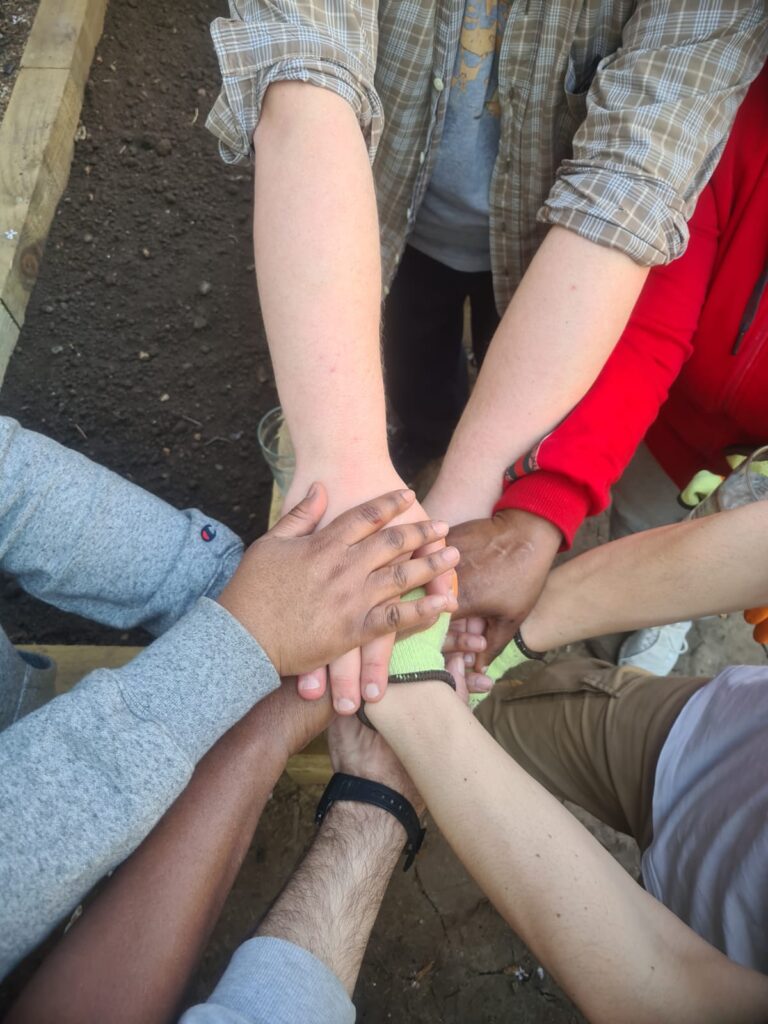
At WCC, we will continue to stand with our community, offering a safe space for healing, hope, and resilience — because no one should face their struggles alone.