


In celebration of International Migrants Day and in recognition of the importance of the work our counsellor do in supporting migrant communities in London, I invited 3 of the MECS Counsellors to write about their experiences of working with refugee, asylum-seeking and migrant clients.
The team of counsellors at MECS speak around 30 languages between them and some of them have come to this country as migrants themselves, others were born and raised in the UK and speak a second, third, fourth or even fifth language. Three of the counsellors have keen kind enough to share some of their experiences of being counsellors at MECS.
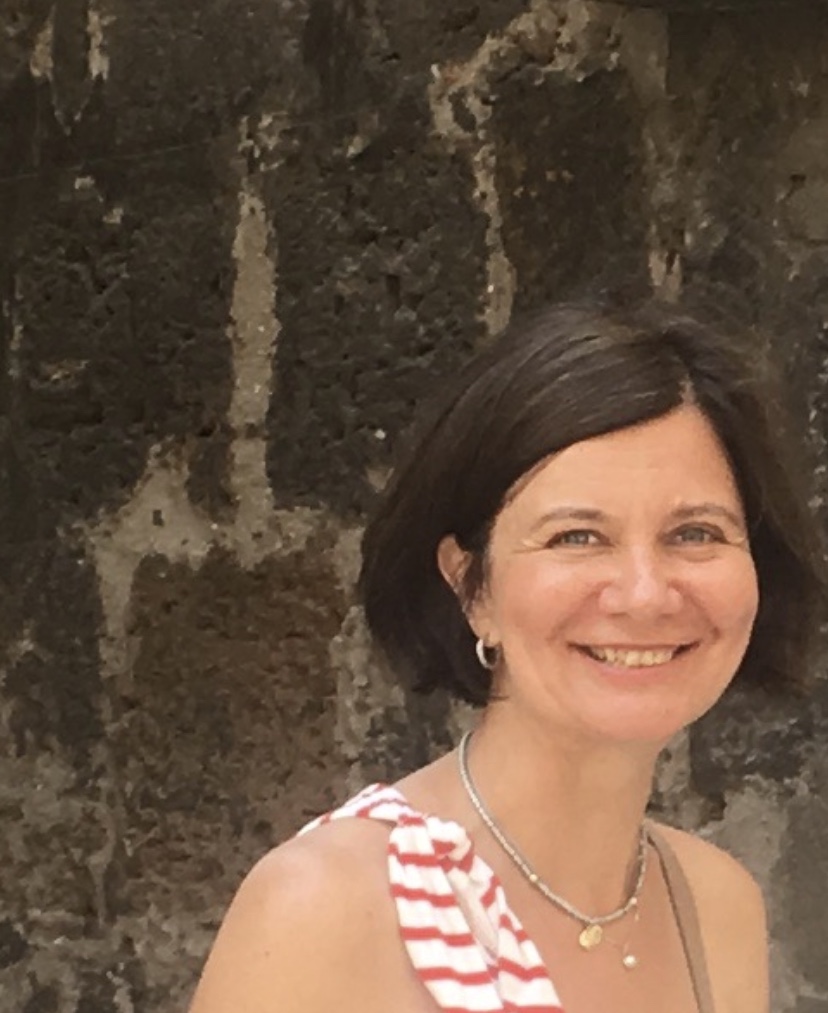
Firstly we hear from Nilufar who has been part of the team at MECS for 3 years. I invited her to write something about her experience of providing counselling in Bengali of which she is fluent. English, however, is her first language and therein lay an interesting experience and contrast for her when she joined MECS.
Counselling in another language brought about many insights for me, but one learning in particular, blew… my… mind!
But first a little background. I was absolutely delighted when I got accepted at MECS as a counsellor. Being able to contribute to the wellbeing of people with whom I shared an ethnic heritage felt ‘right’ for me, and something I had been preparing for. I’d studied various multicultural counselling concepts and reflected on the appropriateness of Euro-American therapeutic models, challenging my own cultural assumptions and biases along the way. Thus, armed with this textbook knowledge, much curiosity, and a large measure of enthusiasm, I joined MECS, ready to support clients bring about change!
But change goes both ways. Which brings me back to my own mind-blowing insight… and it was simply this: in a different language, it seems I am a different counsellor.
This, I had not been expecting. But a different counsellor I undoubtedly was when speaking in Bengali.
Until that time, I had only counselled in English, my first language. And though bilingual, there were initial technical difficulties: I found myself struggling with literal translations, my alternatives sounding clunky; I was concerned about my English accent (and words!) coming through.
But as the relationships with clients grew, I began to feel more comfortable and skilled. I picked up on culture-bound non-verbal communications; I substituted English-language metaphors for appealing Bengali ones; I found dialogue that was familiar, warm and cozy… language that testified to the unspoken knowledge, that our relationship of client and counsellor, was also rooted in something deeper.
This sharedness enabled a strong empathy for how clients saw marriage, parenting, family, loss, and of course, themselves. I learned to place myself sensitively in my clients’ shoes, careful not to quash their values with Western-world ones. This of course is the work of all counsellors but our sharedness I believe, gave me an innate advantage.
In Bengali, I tap into a language crammed with metaphors and visual images, a language of wisdom carried in myths, and poetry in the everyday expression. I speak differently. I can experience emotions differently. I can build rapport differently. And the list doesn’t end there… it’s a bit like having a superpower but like any good superhero, I must know how to keep a secret!